
CLUB'S BLOG
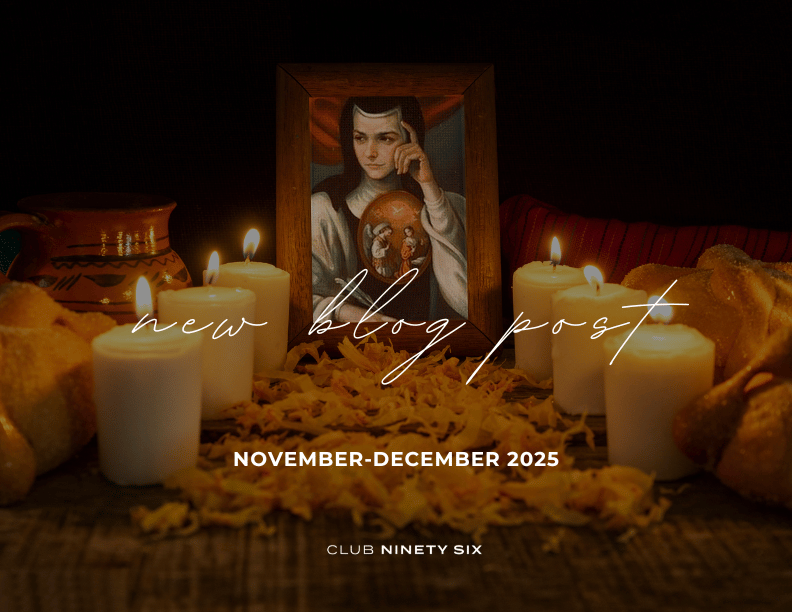
Sor Juana Inés de la Cruz was born at the Hacienda of San Miguel de Nepantla, now located in the State of Mexico, on November 12th, 1648, or 1651; there is no actual record of the year she was born. She was intellectually curious from a very young age, learning to read at the age of three and writing her first loa (poem) in Spanish and náhuatl when she was eight years old, something unusual for a young woman at that time. Her love for knowledge motivated her to become a nun to continue her studies. Back in the day, that was the only way a woman could keep studying. During this time, she performed duties as an accountant and archivist at the convent.
Throughout her youth, her prestige led many institutions to commission her to write poems such as the Funeral Sonnet to Felipe. For the Marquises of La Laguna reception, she wrote one of the triumphal arches of welcome, which she named The Allegorical Neptune. This work led to the beginning of a friendship with the viceroys, especially with the Countess of Paredes, to whom she dedicated many of her poems. Thanks to the Countess, her work reached Spain, where it was published in 1689 in a compilation of her poems titled Inundación castálida. Her work had several reprints in Spain and New Spain (Mexico).
Sor Juana personifies the power of intellect, independence, and resilience in the face of social and religious constraints. Living in 17th-century colonial Mexico, she defied the norms of her time by dedicating herself to study, writing, and the pursuit of knowledge—privileges often denied to women. Through her poetry, plays, and philosophical writings, Sor Juana challenged gender inequality and defended women’s right to education and self-expression. Her courage and brilliance made her a symbol of Mexican cultural identity and an enduring icon of feminism, inspiring generations to value knowledge, creativity, and the freedom to think.
At Club Ninety Six, we honor one of Mexico’s most meaningful traditions and celebrate the spirit of remembrance and community with our Día de Muertos altar dedicated to Sor Juana Inés de la Cruz. This Día de Muertos, we pay tribute to Sor Juana’s enduring wisdom and creativity, a reflection of the values that inspire us today. Let’s contemplate the lives and legacies of those who came before us, connecting through art, history, and culture in this celebration of life and memory.